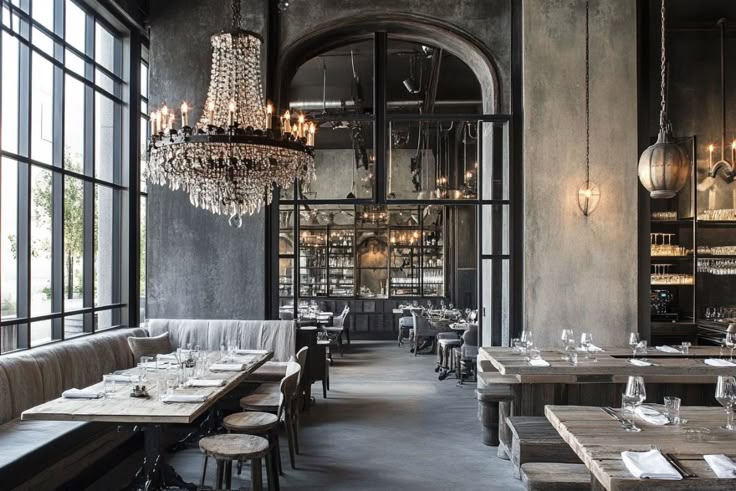
A restaurant’s success depends on far more than the quality of its food. In today’s competitive hospitality industry, customers expect an experience that feels comfortable, memorable, and worth repeating. From the moment guests walk through the door, the environment influences how they feel, how long they stay, how much they spend, and whether they decide to return.
This is where thoughtful restaurant design becomes a powerful business tool. A well-designed restaurant does more than look attractive; it creates an atmosphere that supports customer satisfaction, encourages loyalty, and strengthens a brand’s identity. Whether it is a casual café, a fine dining venue, or a family-friendly restaurant, the design of the space plays a critical role in shaping guest experiences.
Why Restaurant Design Matters for Customer Comfort and Retention
Customer comfort is directly linked to business performance. Guests who feel relaxed and welcomed are more likely to:
- Stay longer
- Order additional items
- Leave positive reviews
- Recommend the restaurant to others
- Return for future visits
On the other hand, uncomfortable seating, poor lighting, excessive noise, or confusing layouts can negatively impact the dining experience, regardless of how good the food may be. Modern diners are increasingly looking for experiences rather than simply meals. The environment has become an essential part of what customers are paying for, making restaurant interior design a strategic investment rather than an aesthetic luxury.
How Restaurant Design Creates a Strong First Impression
The first few moments of a guest’s visit often shape their perception of the entire dining experience. Long before the food arrives, customers begin forming opinions based on the restaurant’s exterior appearance, entrance design, reception area, lighting, cleanliness, and overall interior aesthetics. These elements work together to create an immediate impression of the brand and the level of service guests can expect. A thoughtfully planned restaurant design communicates professionalism, quality, and attention to detail, helping customers feel comfortable and confident from the moment they arrive. When a restaurant presents an organized, welcoming, and visually appealing environment, it creates positive emotional connections that encourage guests to return, ultimately supporting stronger customer retention and loyalty.
The Role of Seating in Effective Restaurant Interior Design
One of the most important yet frequently overlooked aspects of a restaurant’s interior design is seating comfort. Factors that contribute to seating comfort include:
1. Ergonomic Furniture
Chairs and booths should provide proper support while allowing guests to remain comfortable throughout their meal.
2. Appropriate Table Heights
Poorly matched tables and seating can create discomfort and affect the dining experience.
3. Flexible Seating Arrangements
Different groups have different needs. Couples, families, and larger gatherings all require seating options that accommodate their dining preferences.
Restaurant Design Layout Strategies That Improve Customer Experience
Restaurant layout plays a crucial role in customer comfort and overall satisfaction. Even the most visually appealing restaurant can create a negative experience if guests find it difficult to move around the space or feel crowded during their meal. A well-planned layout includes easy circulation paths, comfortable spacing between tables, efficient service routes for staff, clear navigation to restrooms and exits, and accessibility for all guests. While adding more tables may seem like an effective way to increase seating capacity, overcrowding often makes diners feel cramped and disrupts conversations.
How Restaurant Interior Design Uses Lighting to Influence Mood
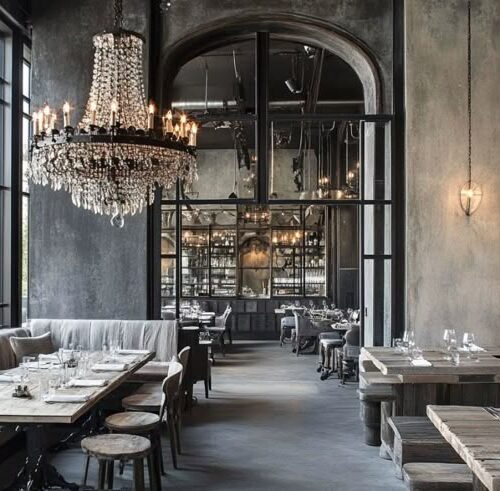
Lighting is one of the most powerful tools in a restaurant’s interior design because it directly affects customer emotions and perceptions. Different lighting styles support different dining experiences:
- Warm Lighting: Creates a cozy, intimate atmosphere ideal for fine dining restaurants and romantic settings.
- Natural Lighting: Enhances openness and comfort during daytime dining.
- Accent Lighting: Highlights architectural features, décor elements, and focal points.
- Adjustable Lighting: Allows restaurants to create different moods throughout the day.
Restaurant Design Strategies for Effective Noise Control
Noise control plays an important role in creating a comfortable dining experience. While a certain level of background activity adds energy to a space, excessive noise can make conversations difficult and affect customer satisfaction. Features such as acoustic wall treatments, upholstered seating, sound-absorbing materials, and thoughtful space planning help maintain a balanced atmosphere. When noise levels are properly managed, guests can relax, socialize comfortably, and enjoy their visit, making them more likely to return in the future.
Enhancing Guest Comfort Through Smart Restaurant Design
Comfort extends beyond visual appeal. Environmental conditions play a major role in customer satisfaction.
Guests notice:
- Excessive heat
- Poor ventilation
- Uncomfortable humidity levels
- Inconsistent temperatures
An effective restaurant design incorporates proper HVAC systems, airflow planning, and thermal comfort strategies that maintain pleasant conditions throughout the dining area. Restaurants that prioritize air quality and temperature control often receive better customer feedback because guests can focus on enjoying their meals rather than feeling physically uncomfortable.
Strengthening Brand Identity with Restaurant Interior Design
Customers are more likely to remember and return to restaurants that offer a distinctive and consistent atmosphere. Elements such as color schemes, materials, furniture styles, décor, lighting, and architectural details all contribute to shaping the overall identity of the space. Every design choice should reflect the restaurant’s concept and appeal to its target audience, whether that means creating a sophisticated environment for fine dining, a warm and welcoming setting for casual meals, or a sleek, modern space for contemporary dining. When branding is consistently reflected throughout the environment, it helps guests build a stronger emotional connection with the restaurant, encouraging loyalty and repeat visits.
Restaurant Design Elements That Drive Social Media Engagement
When customers voluntarily share photos of a restaurant, they provide valuable word-of-mouth marketing.
A visually appealing restaurant naturally encourages guests to take photos and post them on social media platforms. Features that support social sharing include:
- Statement lighting installations
- Unique wall designs
- Artistic décor
- Attractive food presentation areas
- Distinctive architectural features
Improving Restaurant Operations Through Interior Design
Customer comfort and operational efficiency are closely connected.
Poorly designed service areas can lead to:
- Longer wait times
- Service interruptions
- Increased staff stress
- Reduced customer satisfaction
A successful restaurant design supports smooth operations by optimizing:
- Kitchen-to-dining room flow
- Server stations
- Storage areas
- Order pickup zones
- Staff circulation routes
When employees can work efficiently, customers receive faster and more consistent service, improving their overall experience.
Using Nature-Inspired Restaurant Design to Improve Guest Experience
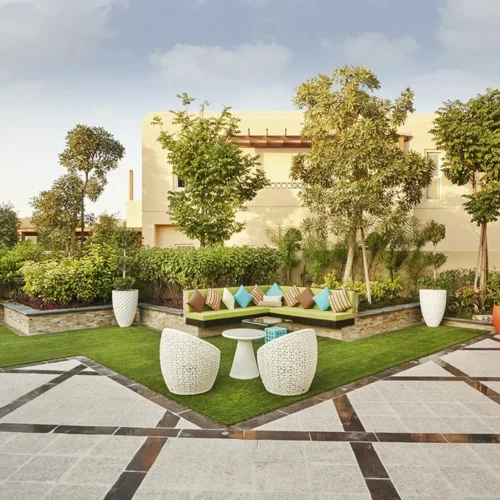
Biophilic design aims to bring elements of nature into interior spaces to create a more relaxing and enjoyable environment. Features such as indoor plants, natural materials, water features, green walls, large windows, and organic textures help make a space feel more welcoming and refreshing. This design approach has become increasingly popular in hospitality settings because natural surroundings are often associated with reduced stress and improved well-being. By incorporating these elements, restaurants can create a comfortable atmosphere that enhances the dining experience and encourages customers to return.
Creating Inclusive Restaurant Spaces for Every Customer
Inclusive design is essential for creating a welcoming environment that accommodates a wide range of guests. Features such as wheelchair-accessible entrances, spacious pathways, accessible restrooms, appropriate table arrangements, and clear signage help ensure that everyone can enjoy a comfortable dining experience.
Accessibility goes beyond meeting regulations; it demonstrates a genuine commitment to customer care and inclusivity. Restaurants that prioritize these considerations often build stronger relationships within their communities, enhance customer satisfaction, and encourage long-term loyalty.
Designing Restaurants That Adapt to Evolving Dining Trends
Restaurant trends continue to evolve, making adaptability increasingly important. Modern restaurants benefit from flexible design features such as:
- Modular furniture
- Multi-purpose spaces
- Technology integration
- Adaptable lighting systems
- Flexible seating configurations
Future-ready restaurant interior design allows businesses to respond to changing customer expectations without requiring costly renovations.
Conclusion
Successful restaurants understand that customer comfort is not accidental. It results from a carefully planned design that considers every aspect of the guest experience, from seating and lighting to acoustics, layout, branding, and accessibility. In an industry where customer loyalty can determine long-term success, investing in high-quality restaurant interior design provides benefits that extend far beyond aesthetics.
For restaurant owners looking to enhance customer satisfaction and retention, partnering with a professional restaurant interior designer in Dubai like Sanaat, helps you gain the expertise you need to create memorable dining spaces that support both guest comfort and business growth.