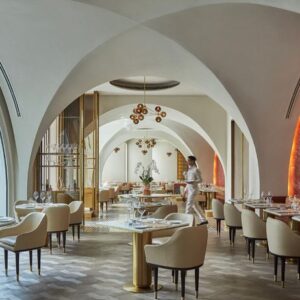
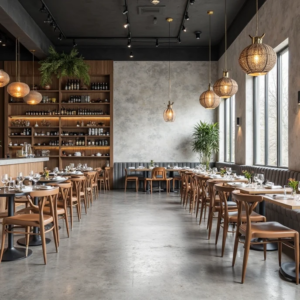
Dubai is one of the most competitive dining markets in the world. From rooftop fine dining to hidden cafés, customers do not just choose food. They choose experiences. In a city known for luxury, innovation, and global influence, your restaurant design is often the first thing that determines whether someone walks in or walks past.
A well designed restaurant does not just look good. It drives footfall, increases dwell time, and builds brand identity. Whether you are launching a new concept or redesigning an existing space, mastering restaurant interior design is the difference between an empty venue and a fully booked one.
Why Restaurant Design Matters More in Dubai
Dubai’s restaurant scene is unique. Customers expect more than just good food. They expect a memorable environment.
In fact, the interior design of a restaurant directly impacts customer emotions, behavior, and even how long they stay and spend. Here is why design is critical in Dubai:
- High competition across every cuisine category
- Strong influence of social media and shareable spaces
- Diverse, international audience with elevated expectations
- A culture that values luxury, ambiance, and innovation
In simple terms, if your space does not impress within ten seconds, you lose the customer.
Start With a Clear Concept Before You Design Anything
Before hiring a restaurant interior designer, you need clarity on one thing, your concept. Ask yourself:
- What type of dining experience are you offering
- Who is your target audience
- What emotions should customers feel inside your space
Dubai restaurants succeed when design aligns perfectly with the brand story. A mismatch between food and space confuses customers and reduces repeat visits. Popular restaurant themes in the UAE include luxury fine dining, industrial urban cafés, minimalist modern spaces, cultural fusion concepts, and Arabic-inspired contemporary interiors. Your concept should guide every decision from materials to lighting.
Make It Work Before You Make It Look Good
Many restaurant owners make a costly mistake by focusing on looks before functionality. A successful restaurant interior design starts with layout planning. Key layout elements include customer flow from entry to seating and exit, staff efficiency, seating balance between density and comfort, and visibility of key areas like bars or open kitchens.
In Dubai, where space can be expensive, optimizing layout is essential for profitability. A smart layout increases table turnover, reduces staff fatigue, and improves the overall dining experience.
Where Great Design Meets Social Media Buzz
If you are not designing for social sharing, you are already behind. Dubai diners love sharing experiences. That means your space should include statement walls, unique lighting features, signature seating areas, and artistic installations.
Modern restaurant design in Dubai often includes visually striking elements that naturally attract attention and encourage sharing. Think of your restaurant as a content friendly environment, not just a dining venue.
Lighting shapes how customers see, feel, and enjoy your space
Lighting can make or break your restaurant. In Dubai, lighting is used to highlight food presentation, set the mood, and guide customer attention.
Best practices include using layered lighting, avoiding overly harsh or dim environments, and highlighting focal points such as bar counters or artwork. Good lighting does not just improve ambiance. It enhances how customers perceive your food.
Design With Materials That Suit Dubai’s Lifestyle and Weather
Dubai’s climate and lifestyle strongly influence material choices.
Recommended materials include marble and stone for luxury appeal, wood finishes for warmth, metal accents for a modern touch, and durable upholstery for high traffic use. Luxury materials are common in Dubai restaurants because customers associate them with quality and status. High end venues often combine natural textures and layered materials to create immersive spaces.
Colors That Set the Mood for Your Restaurant
Colors influence appetite and mood more than most people realize. In Dubai, bold colors are becoming more popular, replacing neutral palettes and creating more energy within spaces.
Color strategies include warm tones to stimulate appetite, earth tones for comfort, and darker palettes for luxury and exclusivity. The key is to stay consistent with your brand identity.
Where Different Styles Come Together Perfectly
Dubai’s identity is global, and your restaurant should reflect that. One of the strongest trends in restaurant interior design Dubai is blending international styles with local influences. Examples include combining Japanese minimalism with Arabic textures, Mediterranean themes with modern luxury, or industrial design with Middle Eastern patterns. This approach creates unique and memorable environments that stand out.
Comfort Is What Keeps Customers Coming Back
A restaurant can look great, but if it feels uncomfortable, customers will not return. In Dubai, where dining is often a longer, social experience, comfort directly impacts satisfaction and spending. Your space should feel easy, relaxed, and enjoyable from the moment guests sit down. Focus on:
- Ergonomic seating that supports longer stays
- Adequate spacing between tables for comfort and privacy
- Balanced acoustics to reduce noise and improve conversation
- Proper temperature control and airflow for a pleasant environment
When customers feel comfortable, they stay longer, spend more, and are more likely to return.
Why Sustainable Design Is the Future of Restaurants
Sustainability is quickly becoming a major priority in modern restaurant design, especially in a forward thinking city like Dubai. Today’s diners are more aware of environmental impact and are drawn to spaces that reflect responsible choices. As a result, many restaurants are incorporating eco-friendly materials, energy efficient lighting, and natural elements such as greenery and ventilation into their interiors.
Beyond environmental benefits, sustainable design also makes strong business sense. It helps reduce long term operational costs through lower energy consumption and durable materials. At the same time, it enhances your brand image and appeals to a growing segment of conscious customers. In a competitive market, sustainability is no longer optional, it is a smart and future focused investment.
Technology Integration Is Shaping the Future
Dubai is leading the way in tech driven dining experiences.
Restaurants are integrating smart lighting, digital menus, and interactive features into their spaces. Some concepts are even using artificial intelligence to influence design and menu decisions. Technology enhances both efficiency and customer experience.
Turn Your Restaurant Into an Experience People Remember
The best restaurants in Dubai do not just serve food, they create moments that stay with people long after they leave. From the second a guest walks in, every detail should feel intentional, immersive, and aligned with your concept. It is not only about how the space looks, but how it feels, how it flows, and how it connects emotionally with your guests. Great restaurant design tells a story while engaging multiple senses through lighting, layout, sound, and ambiance. When combined with thoughtful service and a clear brand identity, the entire experience feels seamless. That is what turns first time visitors into loyal customers and makes your restaurant stand out in a crowded market.
Why Sanaat Is the Go-To for Next-Level Restaurant Design in Dubai
Hiring the right restaurant interior designer Dubai is one of the most critical decisions you will make when launching or upgrading your space. A skilled designer does far more than create a visually appealing environment. They take your initial concept and transform it into a practical, high-performing layout that supports both customer experience and daily operations.
Working with Sanaat means your vision is executed with precision and real market insight. From selecting materials suited to Dubai’s climate to optimizing flow and seating, every detail is handled with intent. Sanaat also ensures your space aligns with your brand, creating a consistent and memorable experience that stands out and keeps customers coming back.
Common Mistakes to Avoid
Even strong concepts can fail due to poor execution. Many restaurant owners focus heavily on aesthetics while overlooking the fundamentals that actually drive customer experience and operational efficiency.
Common mistakes include:
- Overdesigning the space without considering functionality and flow
- Ignoring the preferences and expectations of your target audience
- Using poor or unbalanced lighting that affects mood and food presentation
- Creating inconsistent branding across design elements and experience
- Neglecting comfort factors such as seating, spacing, and acoustics
A successful restaurant feels cohesive, intentional, and easy to navigate, ensuring both customers and staff enjoy the space.
Conclusion
Designing a successful restaurant in Dubai requires more than creativity. It demands strategy, precision, and a deep understanding of customer expectations. From concept and layout to lighting and materials, every element plays a role in shaping the overall experience.
A well designed space attracts attention, encourages longer visits, and builds strong brand recognition in a highly competitive market. By focusing on functionality, comfort, and visual appeal, you create an environment that customers want to return to. In the end, great restaurant design is not just about how a space looks, but how it performs and connects with people.