
A beautifully designed commercial or residential property needs more than one kind of expertise, yet architects and interior designers are often mistaken for the same professional.
Both create attractive, functional spaces, but their roles differ. One shapes the building framework, while the other refines the experience within it. Understanding that distinction is the starting point for creating spaces that feel considered, practical, and complete. At Sanaat. this balance guides projects, bringing architectural awareness and interior expertise together to deliver the best interior design in Dubai.
The Architectural Foundation Behind Every Great Interior in Dubai
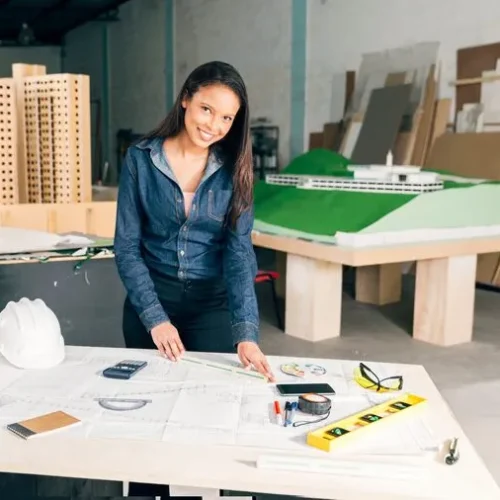
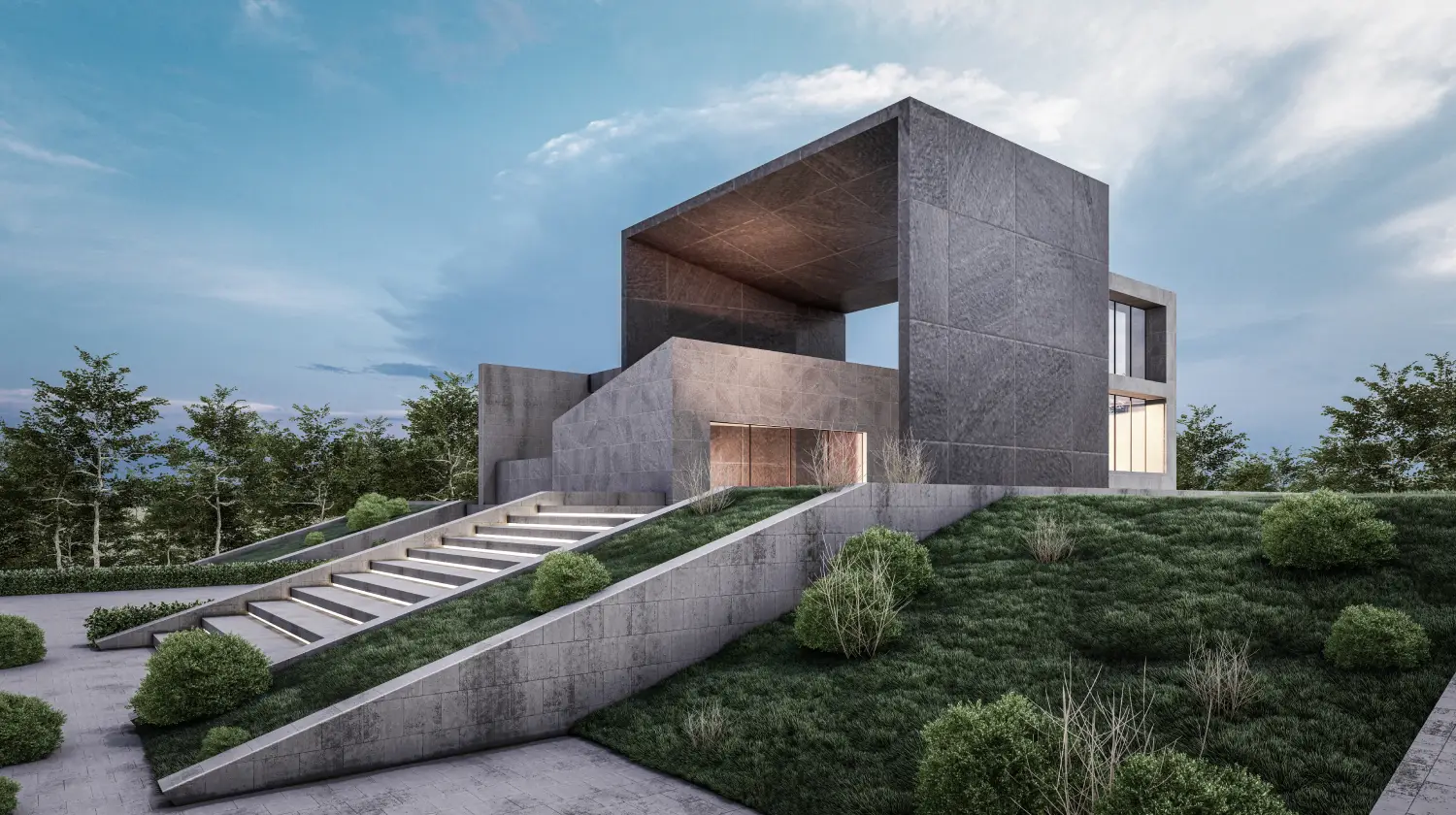
An architect is primarily responsible for the design of a building and its structural relationship with the site. Their work usually begins before construction, renovation, or fit-out work starts. They turn a client’s requirements into a building plan that considers layout, safety, regulations, engineering coordination, and long-term usability. An architect’s work often includes:
- Developing the building concept and overall layout
- Planning room sizes, circulation, entrances, stairs, and exits
- Coordinating with engineers and contractors
- Preparing drawings needed for approvals and construction
- Ensuring the design follows applicable regulations and safety requirements
How the Best Interior Designer in Dubai Shapes a Space
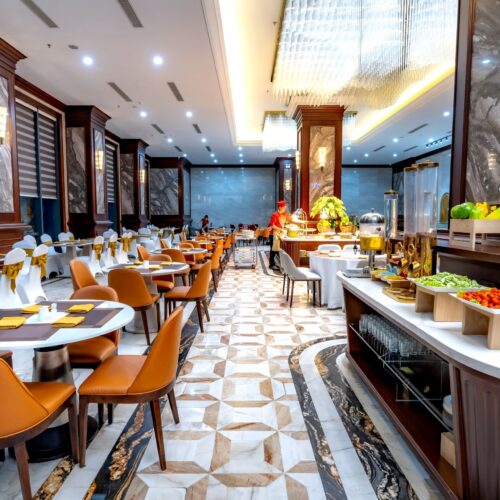
An interior designer focuses on how the space inside the building looks, feels, and functions. Their role is to create interiors that support the people using them, whether they are residents, employees, customers, guests, or visitors.
Interior design goes beyond choosing furniture and colours. The best interior designer in Dubai studies space planning, movement, lighting, materials, storage, finishes, comfort, and the overall user experience, making sure each area has a clear purpose.
The Main Difference Between an Architect and an Interior Designer
The simplest way to understand the difference is that architects design the building, while interior designers shape the experience inside it. However, the two roles can overlap, especially on high-end residential and commercial projects.
| Area of Responsibility | Architect | Interior Designer |
| Building structure | Primary responsibility | Coordinates where needed |
| Exterior design | Primary responsibility | Usually limited involvement |
| Space planning | Focuses on whole-building layout | Focuses on room function and experience |
| Approvals and regulations | Often involved | May support fit-out documentation |
| Furniture and finishes | May provide general direction | Primary responsibility |
| Lighting and ambience | Considers natural light and building systems | Designs decorative and functional interior lighting |
| Construction stage | Oversees architectural intent | Oversees interior detailing and fit-out execution |
When Is an Architect Needed in an Interior Design Project?
You will usually need an architect when a project involves a new building, major structural changes, an extension, a change in the external façade, or significant alterations to the existing layout. In Dubai, architectural planning is particularly important because projects often involve authority approvals, developer guidelines, plot restrictions, and technical coordination. An architect helps ensure that the proposed design is practical before expensive construction decisions are made.
From Concept to Completion | When to Work With the Best Interior Designer in Dubai
An interior designer is essential when the building shell already exists and you need to make the interior functional, distinctive, and ready for use. This applies to home renovations, apartment fit-outs, retail stores, salons, restaurants, clinics, offices, and hotel spaces. Well-executed commercial interior design can influence how customers perceive a business, how efficiently employees work, and how comfortable visitors feel. In a competitive city such as Dubai, a professionally designed space can help a brand stand apart while still remaining practical for everyday operations.
How Collaboration Shapes the Best Interior Design in Dubai
Dubai projects often demand a high standard of design, fast coordination, and careful attention to detail. Whether the project is a luxury residence, retail outlet, restaurant, workplace, or healthcare facility, the architectural and interior design teams need to align from the beginning.
Early collaboration prevents common issues such as poorly placed electrical points, inadequate storage, impractical ceiling heights, lighting conflicts, or furniture layouts that do not suit the room dimensions. It also helps clients control costs by finalising important decisions before site work progresses too far. For a restaurant, the architect may plan the building layout, exits, kitchen location, and service access. The interior designer then develops the dining atmosphere, seating arrangement, lighting, materials, branding elements, and customer flow. Both roles are important, but each serves a different purpose.
A Closer Look at Their Strengths and Working Approach to Interior Design
From Structure to a Finished Experience
Architects define the essential building elements, including room configurations, access points, stairs, and technical coordination. Interior designers refine what users see and feel every day, from crafted woodwork and feature lighting to finishes, furnishings, and storage. Together, their roles support the best interior design in Dubai by ensuring the space is not only striking but also practical from the ground up.
Expertise That Shapes Every Detail
An architect brings knowledge of site conditions, building systems, construction methods, safety standards, and structural coordination. A designer brings a closer understanding of proportions, materials, ergonomics, spatial flow, lighting layers, and how an environment influences comfort.
A Design Journey Built Around Purpose
Architectural planning generally begins with the larger picture: the plot, building mass, layout, external appearance, and technical requirements. The process then moves towards individual rooms and details.
Interior design begins with the people using the space. Whether designing a family villa, workplace, boutique, restaurant, or clinic, the focus is on how people move, work, relax, meet, and interact within it. This people-first perspective is central to well-executed commercial interior design, where every design decision should support both the brand and daily operations.
Investment That Reflects the Scope
Fees depend on scope and detail, but the right professional adds value by aligning expertise with your project’s specific requirements.
The Distinct Value Each Professional Brings
Architects turn ideas into technically sound buildings, while interior designers shape them into memorable spaces. The best interior company in Dubai brings both strengths together for a refined, lasting result.
Why the Best Projects Use Both Perspectives
On larger projects, architects and interior designers should not be seen as separate choices. Their skills are most effective when they work together from the early stages. Their partnership helps avoid costly revisions, protects the original vision, and delivers a complete environment with both technical confidence and lasting visual appeal.
Finding a Partner Who Brings Your Interior Vision to Life
The right professional depends on the scope of your project. If you are changing the building itself, start with an architect. If you are transforming an existing space, improving its layout, or choosing between modern and luxury interiors. an interior designer may be the better starting point.
When looking for the best interior design company in Dubai, focus on a company’s portfolio, understanding of your sector, project management approach, material quality, and ability to deliver a space that works beyond the initial visual impression. Ultimately, architects and interior designers are not competing roles. They are complementary professionals who help turn an idea into a complete, safe, functional, and visually appealing space. Knowing when to involve each one gives your Dubai project a clearer direction from the very beginning.
How Sanaat Turns Ideas Into the Best Interior Design in Dubai
At Sanaat, we understand that successful spaces need more than an attractive finish. We consider how the building is planned, how people will use it, and how every interior detail supports the final experience. Our team brings design clarity, functional planning, quality materials, and refined furnishing solutions together for workplaces, retail spaces, restaurants, hospitality venues, and high-end residences.
From early design discussions to fit-out coordination, we help clients make confident decisions that protect their investment and strengthen the value of their property. Whether you need a complete transformation or focused commercial interior design support, we create interiors that reflect your vision, support business needs, enhance customer experience, and remain practical long after completion.
Conclusion
Choosing between an architect and an interior designer becomes easier when you understand what each professional is responsible for. Architects establish the structural direction of a property, while interior designers shape how the space looks, functions, and feels.
For many Dubai projects, the best interior design in Dubai comes from aligning both perspectives early, particularly when the goal is to create a space that supports business performance, customer experience, or living. Rather than viewing design as a single service, consider the full journey from building framework to final finish. With the right expertise in place, your project can move forward with greater clarity, fewer costly adjustments, and a result that delivers lasting value for every user and stakeholder involved.