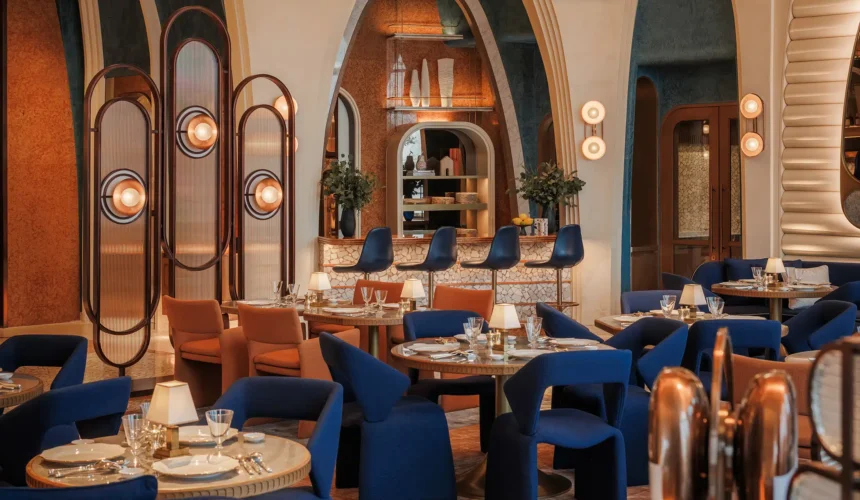
A restaurant can have the best menu in the city, but without the right lighting, it may never feel like a place guests want to stay. Lighting turns a dining space into an experience by making food look more appealing, conversations feel more personal, and every corner feels intentional.
In a thoughtfully planned restaurant space, lighting does far more than brighten the room. It sets the mood, strengthens the brand, enhances the interior, and shapes lasting impressions. This is exactly what Sanaat understands, our expertise in restaurant interior design helps create spaces that are functional, inviting, and aligned with each brand’s identity.
How Lighting Shapes a Strong First Impression in a Restaurant Design
Before guests read the menu or take their first bite, they notice the restaurant environment. Lighting helps the restaurant communicate whether the experience will feel relaxed, energetic, refined, or exclusive. It can make the arrival feel welcoming, highlight the most memorable parts of the space, and set the right expectation for the dining experience ahead.
When the lighting aligns with the concept, guests immediately understand the type of experience they are entering. For a restaurant interior designer in Dubai, the challenge is to create an experience that feels distinctive while fitting the expectations of a diverse local and international audience.
Restaurant Design Lighting That Elevates the Dining Experience
Food presentation sets the tone before the first bite, because first impressions shape flavour. Poor lighting can make fresh ingredients look dull, distort colours, and reduce the visual impact of carefully plated dishes.
Warm Lighting for Intimate Dining Experiences
Warm lighting suits fine-dining restaurants, grills, Italian concepts, and lounges by creating a rich, relaxed, and inviting atmosphere.
Neutral Lighting for Fresh and Modern Concepts
Neutral lighting works well in cafés, dessert counters, health-focused venues, and open kitchens where cleanliness and freshness should remain visible.
Comfortable Table Lighting for Every Guest
Well-planned restaurant interior design keeps tables properly illuminated, allowing guests to enjoy food, menus, and conversation without uncomfortable glare.
Why Every Restaurant Interior Design Zone Needs Its Own Lighting Plan
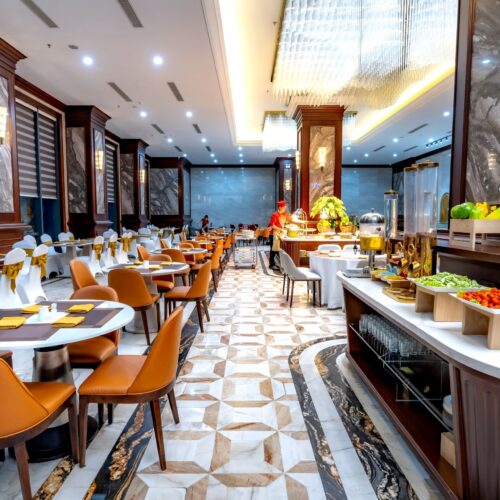
A well-planned restaurant interior design treats the venue as a series of connected spaces rather than one open room. From the entrance and waiting area to the dining room, bar, private rooms, washrooms, service stations, and outdoor seating, each zone has different functional and atmospheric requirements. Using the same lighting throughout can make these spaces feel flat and poorly defined.
The entrance should feel welcoming and easy to navigate, while the dining area needs enough visibility for guests to enjoy their food without losing its ambience. Bars can use backlighting or focused accent lights to create energy, whereas private dining rooms benefit from adjustable lighting for meetings, celebrations, and family occasions. Moreover, outdoor areas such as terraces, rooftops, and waterfront seating require lighting that supports safe navigation after dark while keeping guests comfortable and preserving a refined dining atmosphere.
How Layered Lighting Improves the Look of Restaurant Interiors
The best restaurant design does not rely on one type of light. Instead, it uses layers to create depth, highlight important features, and prevent the space from feeling flat.
1. Ambient Lighting
Provides overall visibility in your restaurant interior design, helping guests move comfortably while establishing the restaurant’s general mood, brightness level, and welcoming atmosphere.
2. Task Lighting
Delivers focused visibility for menus, service counters, open kitchens, and payment areas, supporting smooth operations without disrupting the dining ambience.
3. Accent Lighting
Highlights artwork, textured walls, greenery, displays, and architectural details, adding visual depth to the overall restaurant design and directing attention to key features.
4. Decorative Lighting
LED lighting adds energy-efficient depth to the overall restaurant design while drawing attention to key features. These small choices make the environment feel more considered and visually complete.
How Lighting Gives Every Restaurant Design a Signature Identity
Every restaurant has a personality, and its lighting should reflect that identity. A contemporary Japanese dining concept should not feel the same as a Mediterranean beach club, a traditional Emirati restaurant, or a luxury steakhouse. The right lighting helps express the concept consistently and creates an atmosphere that feels true to the brand.
Different concepts may use lighting in different ways:
- Minimal restaurants may feature clean architectural lighting and understated fixtures.
- Social dining venues can use colourful LED lighting, glowing back bars, and dramatic pendants.
- Heritage-inspired restaurants may combine warm lighting with lantern-style fixtures, textured finishes, and decorative details.
- Fine-dining venues often benefit from softer lighting that feels refined, private, and premium.
That is why lighting should be considered early in the process of designing a restaurant’s interior, rather than added once the space is nearly complete. Coordinating it with materials, furniture, ceiling details, colours, and guest flow creates a cohesive interior aligned with the restaurant’s concept.
Smart Restaurant Design Lighting for All-Day Dining
A restaurant should not feel the same at breakfast as it does during dinner. Guests expect a brighter, more energetic setting in the morning and a warmer, more relaxed atmosphere in the evening. Dimmable lighting and smart controls make this transition simple, allowing the space to support breakfast service, lunch hours, cleaning, and preparation before gradually shifting into a more inviting evening setting.
This flexibility is a key feature of the best interior design in Dubai, where restaurants often need to accommodate private events, Ramadan gatherings, corporate dinners, and weekend celebrations. A lighting system that adapts to different occasions helps the restaurant remain versatile, meet guest expectations, and create the right atmosphere without changing the décor.
Restaurant Design Lighting That Supports Comfort and Guest Experience
Good lighting should do more than create atmosphere; it should make the restaurant easy and comfortable to use. Guests need clear pathways, visible steps, and safe access to washrooms, while staff need reliable visibility around service stations, kitchens, and payment counters. These practical details are essential to well-planned restaurant design and directly improve guest comfort. A professional lighting plan also prevents glare, dark corners, uneven brightness, and distracting reflections, helping guests move comfortably and enjoy the space without visual discomfort.
Why Choose Sanaat for Restaurant Interior Design in Dubai?
Creating a successful restaurant requires more than attractive furniture and decorative finishes. At Sanaat, we design restaurant spaces where lighting, layout, materials, branding, and functionality work together to create an experience guests enjoy from the moment they arrive.
As a trusted restaurant interior designer in Dubai, our team understands the demands of the city’s hospitality industry. We create restaurant interiors that reflect your concept, support smooth daily operations, and appeal to Dubai’s diverse dining audience. Whether you are opening a fine-dining restaurant, café, lounge, casual eatery, or rooftop venue, we help turn your vision into a space that feels distinctive and commercially practical.
- Customized restaurant design concepts for Dubai’s dining market
- Lighting plans that improve ambience, comfort, and visual appeal
- Space planning that supports efficient guest and staff movement
- Interior solutions aligned with your restaurant brand and budget
- High-quality execution for a polished, long-lasting result
Choose Sanaat for restaurant interior design that does more than look impressive, it creates an atmosphere that encourages guests to stay longer, return often, and remember your brand.
Conclusion
Lighting influences perception, mood, comfort, food presentation, and brand identity all at once. It can make a compact restaurant feel more spacious, help a premium venue feel more exclusive, and turn an ordinary dining room into an experience worth sharing. For businesses investing in restaurant interiors, lighting should be viewed as a central design element rather than a final technical detail. Working with the best restaurant interior designer in Dubai means creating spaces where every fixture, shadow, and highlight supports the restaurant’s story.
At Sanaat, we create interior designs that balance atmosphere, functionality, and brand character. From concept development to final execution, our team helps restaurants across Dubai create dining environments that look exceptional, feel welcoming, and leave a lasting impression on every guest.